
This collection is curated by the Tech Cyber News Team, a group of tech writers publishing news, guides and reviews about technology and cybersecurity. Our team verifies every story and checks every step before publishing, so you can stay safe and informed online.
The Windows 12 release date is the question Windows users keep asking, and the honest answer in November 2026 is that there is no date at all. Microsoft has not announced Windows 12, has not shown it, has not put it in any Insider test channel, and has not published a release date, a feature list, a price or system requirements. Every article that gives you a firm launch day is guessing.
That has not stopped the rumour mill. Since 2023, Windows 12 has been "coming next year" in one wave of articles after another. Dates in 2024 came and went. Dates in 2025 came and went. In early 2026, reports of an AI-first Windows 12 arriving that year spread widely, and were then disputed by long-time Windows reporters. This guide sorts out what Microsoft has actually said, what is only rumour, what Microsoft is shipping instead, and what you should do if you are waiting for a new version of Windows.
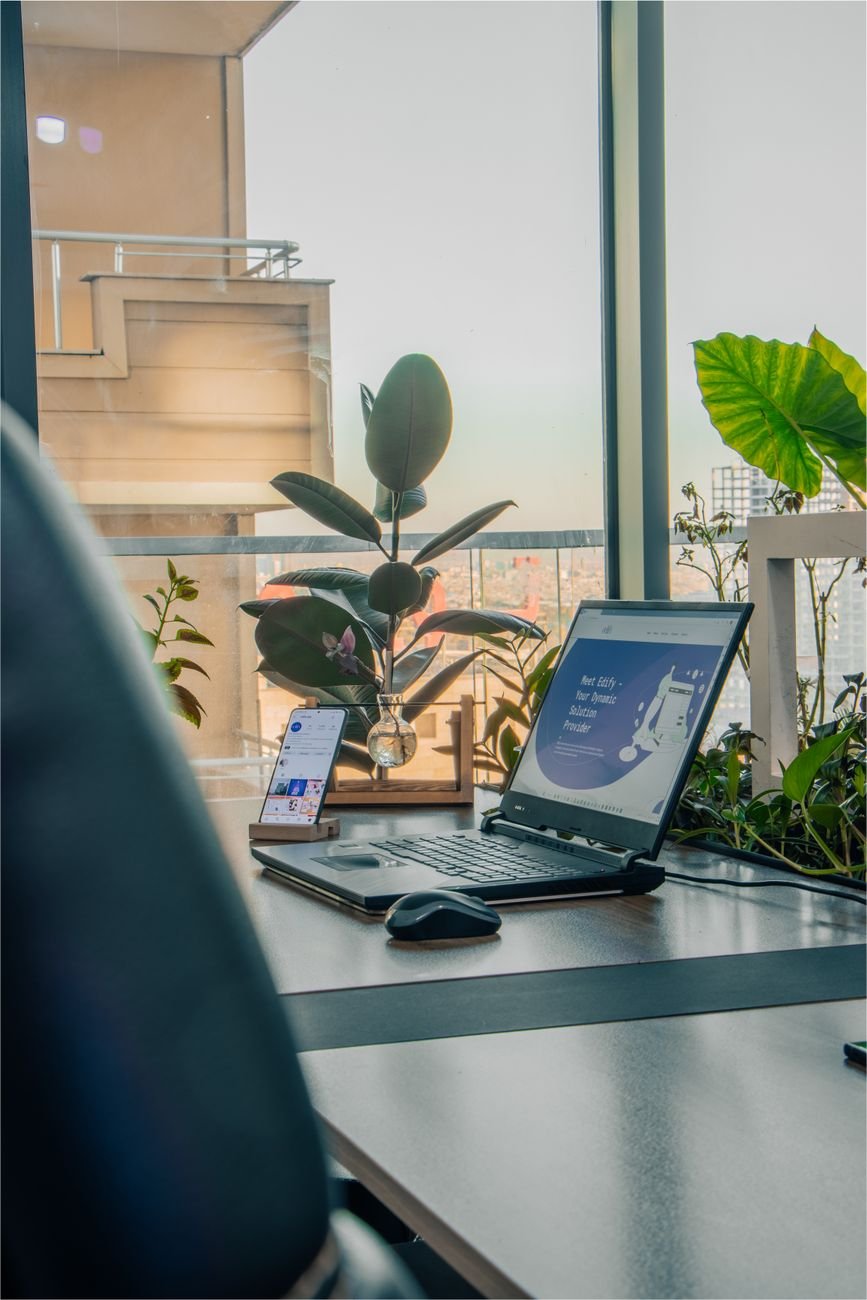
Windows 12 release date: the quick answer
There is no Windows 12 release date, because there is no Windows 12. As of November 2026, Microsoft has not announced a new version of Windows in any form. There is no official beta, no product page, no requirements document and no ISO download. The Windows version Microsoft is actively shipping, updating and supporting is still Windows 11.
The closest thing to an official statement came on 29 May 2026, the day before Microsoft’s Build developer conference. Pavan Davuluri, who leads Windows at Microsoft, posted that something new was coming for developers, and added: "And no, it’s not a new OS version." Build came and went without Windows 12. Microsoft’s Windows and Surface event on 7 October 2026 also passed without one: the new features shown there are coming to Windows 11.
Credible Windows reporting points in the same direction. Windows Central has reported that Microsoft has no plan to release Windows 12 in 2026 and that 2027 is the earliest a product with that name could appear. That is an estimate from reporters who follow Microsoft closely, not a commitment from Microsoft itself. Treat it as the earliest possibility, not a schedule. A detailed Windows 12 fact-check and Bcdkey’s Windows 12 status guide both reach the same conclusion: as of late 2026, nothing about Windows 12 is official.
Confirmed vs rumoured: the Windows 12 fact-check
If a claim about Windows 12 does not come from Microsoft itself or from a reporter with a long record of accurate Windows leaks, treat it as a guess. Most of the confident dates and feature lists circulating online are recycled from earlier rumour cycles.
| Claim | Status | What we know |
|---|---|---|
| Windows 12 launches in 2026 | Denied | Microsoft’s Windows chief ruled out a new OS version in May 2026 |
| Microsoft has announced Windows 12 | False | No announcement, product page, beta or Insider build exists |
| Windows 12 arrives in 2027 | Reported, not confirmed | Windows Central reports 2027 as the earliest possibility |
| Windows 12 will be subscription-only | Rumour, debunked | No evidence; Microsoft has not announced any subscription model for Windows |
| Windows 11 keeps getting updates | Confirmed | Version 26H2 rolled out from late September 2026 |
| Windows 12 needs a 40 TOPS NPU | Rumour | Borrowed from the real Copilot+ PC spec; no Windows 12 requirements exist |
| AI features are coming to Windows | Confirmed | New Copilot features were announced for Windows 11 in October 2026 |
Timeline: how the Windows 12 rumour cycle unfolded
| Period | What happened |
|---|---|
| 2023 | First wave of Windows 12 reports predicts a 2024 launch |
| 2024 | No Windows 12 appears; Windows 11 version 24H2 ships instead |
| 2025 | New predictions point to autumn 2025; Windows 11 25H2 ships instead |
| Early 2026 | Reports describe an AI-focused Windows 12 arriving in 2026 |
| March 2026 | Windows Central disputes the 2026 reports; 2027 named as the earliest possibility |
| 29 May 2026 | Windows chief Pavan Davuluri says the coming news is "not a new OS version" |
| June 2026 | Build 2026 passes with no Windows 12 announcement |
| 7 October 2026 | Windows and Surface event announces AI features for Windows 11, not Windows 12 |
| Late September to October 2026 | Windows 11 version 26H2 rolls out to users |
The pattern is clear. Every predicted launch date has passed without a new version of Windows appearing, and each time Microsoft has shipped another Windows 11 update instead. The rumour cycle survives because it fits what people expect: Microsoft used to release a new Windows every few years, so a new version feels overdue. But Microsoft’s strategy has changed, and the old rhythm no longer applies.
Why there is no Windows 12 in 2026
Microsoft has been clear about its Windows strategy, even if it has never held a press conference to say "there is no Windows 12." The company’s message, repeated through its actions all year, is that Windows 11 is the platform, and it will be improved through regular feature updates rather than replaced by a new version.
There are good reasons for that. Windows 11 was released in October 2021, and Microsoft has spent five years building Copilot and AI features into it. Splitting that work across a brand new operating system would slow everything down. The company’s focus for Windows in 2026, as described by its own executives, is fixing the problems customers complain about most, not replacing the operating system.
The evidence is in the Insider programme. As of May 2026, there were no Windows 12 builds in any Insider channel, and Microsoft’s Insider blog continued to describe new builds as Windows 11 builds. A new operating system cannot be secretly ready for launch while its test builds do not exist in public.
One widely shared report that helped fuel the latest round of speculation was later withdrawn by its publisher after it was found not to meet editorial standards. That is a useful reminder: even established tech publications can get caught up in the rumour cycle, and a confident headline is not the same as a confirmed fact.
What Microsoft is shipping instead: Windows 11 26H2
What Microsoft is actually releasing in 2026 is Windows 11 version 26H2, the annual feature update for Windows 11. The rollout began in late September 2026 and continued into October, reaching users in stages as Microsoft does with all major updates.
Windows 11 26H2 is a substantial update, not a minor patch. It focuses on three things: deeper AI integration, system performance, and quality-of-life improvements that users have been asking for. Among the changes reported in the update are the ability to move the taskbar to the top, left or right of the screen, plus a smaller taskbar size option. TechnologyZone’s debunking of the 2026 rumours makes the same point: the viral claims about a 2026 launch were based on misread leaks and speculation.
Servicing matters too. Windows 11 version 24H2 left servicing on 13 October 2026, which means machines still running it should move to a newer version to keep receiving security updates. Version 26H2 is supported until October 2028 for Home and Pro editions, according to Microsoft’s servicing guidance. If you are still on an older Windows 11 version, 26H2 is the update to install, not a mythical Windows 12.
Windows 10 users have a harder deadline behind them: support for Windows 10 ended on 14 October 2025. If you are still running Windows 10, your PC no longer receives security updates, and upgrading to Windows 11 is the safe move. Our coverage of the Microsoft November Patch Tuesday fixes for 2026 shows how much security work lands in these updates every month, and why running an unsupported version is a risk.

Copilot and AI features arriving in Windows 11
The most visible change in Windows 11 26H2 is the expansion of Microsoft Copilot throughout the operating system. These are the AI features that many rumours wrongly attributed to Windows 12. They are real, and they are coming to Windows 11.
The biggest interface change is "Ask Copilot," an optional replacement for the classic Windows Search experience. Instead of typing a search query and getting file and app results, you can ask natural-language questions and get AI-generated answers alongside traditional search results. It is optional, so if you prefer the old search, you can keep it.
A new system called Copilot Actions lets the AI assistant perform tasks on your behalf through natural-language commands, such as resizing images, summarising documents, composing emails or adjusting system settings. With your permission, Copilot can also work with your files, finding, moving and renaming them, and you can switch this off.
Microsoft is also being more restrained about where Copilot appears. The company has reduced some low-value Copilot entry points while keeping the AI features that work as practical tools. That fits the wider message from Build 2026, where Microsoft’s real priority was agents, governance, developer tooling and AI services that sit above Windows, not a new operating system.
If you want to understand how AI assistants are changing everyday computing, our guide to the OpenAI GPT-6 models, prices and features is a good companion read. The same AI wave driving Copilot is reshaping every major platform at once.
Rumoured Windows 12 features
Nothing is confirmed, because there is no announced product. But the rumours fall into a few recurring themes, and most of them describe things Microsoft is already doing in Windows 11. Here is what the rumour mill keeps predicting.
Deeper AI and Copilot integration across the desktop is the most common claim. This one is partly true in spirit: AI is becoming central to Windows. But it is arriving through Windows 11 updates, not through a new version. If Windows 12 ever ships, AI integration will certainly be a headline feature, because that is where Microsoft is putting its effort.
Heavier use of the NPU, the neural processing unit, is another recurring theme. Copilot+ PCs already require an NPU capable of 40 trillion operations per second, and that real specification keeps getting borrowed by rumour articles and presented as a Windows 12 requirement. No Windows 12 requirements exist, so any number you see attached to them is invented.
A more modular system design appears in many rumours. The idea is that Windows could be split into smaller components that update independently, making the system faster and more reliable. Microsoft has experimented with modular designs for years, but has never confirmed one for a future Windows release.
A refreshed interface is predicted in almost every rumour cycle, usually with floating taskbars, rounded corners and a cleaner Start menu. Some of these ideas have quietly appeared in Windows 11 updates instead, which is a reminder that interface changes do not need a new version number.
Stronger default security is the final recurring theme. This is the safest prediction of all, because every Windows release tightens security. Windows 11 already requires TPM 2.0 and Secure Boot, and any future version would build on that baseline.
Possible system requirements
Microsoft has not published any Windows 12 requirements, so everything in this section is an educated guess based on the direction Windows 11 has taken. Do not buy hardware based on it.
The one safe assumption is that requirements would be at least as strict as Windows 11. That means a TPM 2.0 security chip, Secure Boot, a 64-bit processor, 4GB of RAM and 64GB of storage as a minimum, with a recent processor from Intel, AMD or Qualcomm. Windows 11 already demands all of these, and Microsoft has shown no sign of loosening hardware rules.
Beyond that, rumours suggest a more powerful NPU for AI features, more RAM, and possibly an SSD as a hard requirement rather than a recommendation. These are plausible, because AI features need local processing power and fast storage. But they are guesses, and Microsoft could equally decide to keep AI features optional on older hardware.
The practical advice is simple. If you are buying a PC in 2026, buy one that meets the Copilot+ PC specification, with a capable NPU, at least 16GB of RAM and a fast SSD. That machine will run Windows 11 well today, and it will be in the best position for whatever Microsoft ships next. If your current PC runs Windows 11, it will keep getting updates, and there is no need to replace it because of a rumour.
Price and the subscription rumour
One rumour deserves a section of its own, because it worries people: the claim that Windows 12 would be subscription-only, with users paying monthly to keep their operating system. There is no evidence for this. Microsoft has not announced any subscription model for Windows, and the rumour appears to come from misread reports about subscription AI features, not the operating system itself.
What we do know about pricing is the pattern of the last decade. Windows 10 was a free upgrade for Windows 7 and 8 users. Windows 11 was a free upgrade for Windows 10 users on supported hardware. If Microsoft ever ships a new version, a free upgrade path for existing Windows 11 users is the most likely outcome, because that is how Microsoft has handled every major transition since 2015.
The one cost that is real is hardware. If a future Windows version raises the minimum requirements, older PCs that cannot meet them would need replacing. That is a genuine concern, and it is one reason Microsoft has been cautious about raising requirements for Windows 11. For now, Windows 11 updates are free, and there is no subscription to pay.
Should you wait for Windows 12?
No. If you need a PC, buy one now. If your PC runs Windows 11, keep it updated. If you are still on Windows 10, upgrade to Windows 11 as soon as you can, because Windows 10 no longer receives security updates.
Waiting for Windows 12 means waiting for a product that has not been announced, has no date, and may not arrive until 2027 at the earliest, if it arrives at all. Meanwhile, every month you spend on an old or unsupported version is a month without security patches. The November Patch Tuesday update alone fixed more than a thousand flaws, including an exploited Outlook zero-day, which shows how much protection regular updates provide.
If you are choosing a new PC, the checklist is short. Make sure it runs Windows 11, has a TPM 2.0 chip, at least 16GB of RAM, a fast SSD, and ideally an NPU that meets the Copilot+ specification. That covers you for Windows 11 today and for whatever comes next. If you are a gamer or a creator, add a good graphics card and a fast processor, but the operating system itself should not drive the decision.
The same logic applies to businesses. Plan your hardware refresh around Windows 11, not around a rumour. Microsoft’s servicing calendar gives you dates you can plan around: Windows 11 26H2 is supported until October 2028 for Home and Pro, and new annual updates will follow. That is a solid foundation for the next few years.
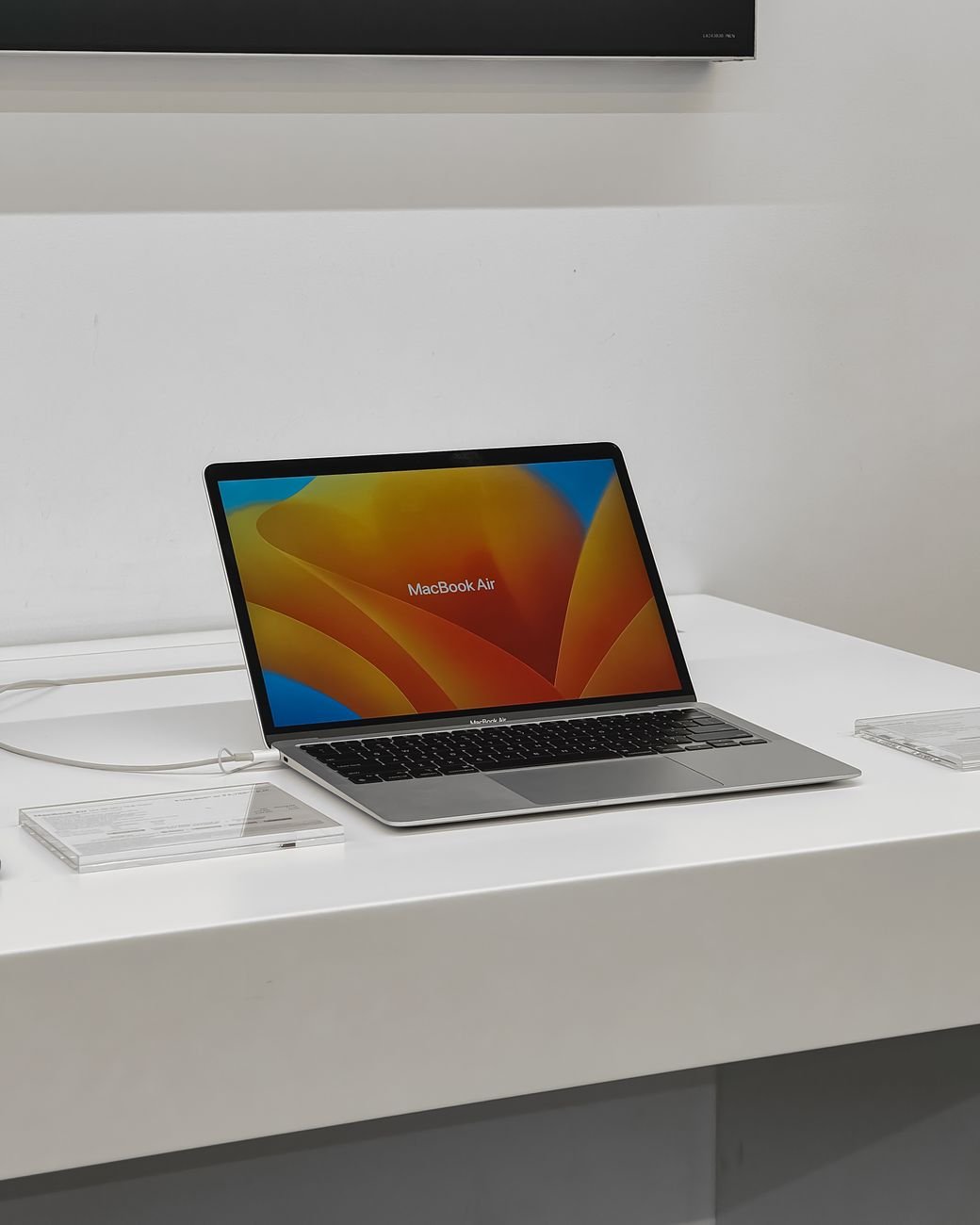
How to spot fake Windows 12 news and downloads
The Windows 12 rumour cycle has a dark side: scammers use it. Fake "Windows 12 download" pages, ISO files and upgrade tools circulate online, and many of them contain malware. Here is how to stay safe.
First, remember that Microsoft only distributes Windows through its own website and Windows Update. If a site offers you a Windows 12 ISO, a beta download or an early upgrade tool, it is not genuine, because Microsoft has not released any of those things.
Second, check the source. A claim from Microsoft’s own Windows blog, or from a reporter with a long record of accurate Windows reporting, carries weight. A claim from a site you have never heard of, or a video with a dramatic thumbnail and no sources, does not.
Third, be suspicious of urgency. Scam pages push you to download now, before the "limited offer" ends. Microsoft does not distribute operating systems that way.
Fourth, keep your security software up to date. If you do land on a dodgy download page, a good antivirus is your safety net. Our comparison of the best antivirus software in 2026 can help you pick one.
Finally, if you do download something suspicious, disconnect from the internet, run a full scan with your antivirus, and change your passwords from a clean device. For password safety, see our guide on how to create a strong password you can actually remember.
FAQs
What is the Windows 12 release date?
There is no Windows 12 release date. Microsoft has not announced Windows 12 as of November 2026, and has published no release date, feature list, price or system requirements. Windows Central has reported 2027 as the earliest possibility, but that is a reporter’s estimate, not a Microsoft commitment.
Is Windows 12 coming in 2026?
No. Microsoft’s Windows chief ruled out a new OS version in May 2026, Build 2026 passed without an announcement, and the October 2026 Windows and Surface event introduced new features for Windows 11 instead. Microsoft’s roadmap for 2026 is focused on improving Windows 11.
Has Microsoft confirmed Windows 12?
No. Microsoft has not confirmed Windows 12 in any form. There is no official announcement, product page, beta, Insider build or ISO download. Anything claiming to be a confirmed Windows 12 feature is a rumour.
What is Microsoft releasing instead of Windows 12?
Windows 11 version 26H2, the annual feature update for Windows 11. It began rolling out in late September 2026 and adds deeper Copilot AI integration, performance improvements and quality-of-life changes such as a movable taskbar.
What new AI features are coming to Windows 11?
The main additions are Ask Copilot, an optional AI-powered replacement for Windows Search, and Copilot Actions, which lets the assistant perform tasks such as resizing images, summarising documents and adjusting settings through natural-language commands.
What are the rumoured Windows 12 features?
The recurring rumours are deeper AI and Copilot integration, heavier use of the NPU chip, a more modular system design, a refreshed interface and stronger default security. None of these is confirmed, and most of them are already arriving in Windows 11 updates.
What will the Windows 12 system requirements be?
Microsoft has not published any Windows 12 requirements. The only safe assumption is that they would be at least as strict as Windows 11, which needs a TPM 2.0 chip, Secure Boot, a 64-bit processor, 4GB of RAM and 64GB of storage. Rumoured NPU and RAM figures are guesses.
Will Windows 12 be free?
There is no official price, because there is no announced product. Based on the pattern of the last decade, a free upgrade for existing Windows 11 users is the most likely outcome, since Windows 10 and Windows 11 were both free upgrades for users on supported hardware.
Will Windows 12 be subscription-only?
There is no evidence for this. Microsoft has not announced any subscription model for Windows, and the rumour appears to come from misread reports about subscription AI features rather than the operating system itself.
Should I wait for Windows 12 before buying a PC?
No. Windows 12 has not been announced and may not arrive until 2027 at the earliest. Buy a PC that runs Windows 11 well today, ideally one that meets the Copilot+ specification with a capable NPU, at least 16GB of RAM and a fast SSD.
I am still on Windows 10. What should I do?
Upgrade to Windows 11 as soon as you can. Support for Windows 10 ended on 14 October 2025, so your PC no longer receives security updates. Check that your hardware meets the Windows 11 requirements first, and back up your files before upgrading.
Are Windows 12 download pages safe?
No. Microsoft has not released Windows 12, so any site offering a Windows 12 ISO, beta or upgrade tool is not genuine, and many such downloads contain malware. Only download Windows from Microsoft’s own website or through Windows Update.
#Windows12 #Microsoft #Windows11 #Copilot #OperatingSystem #PC
This collection is curated by the Tech Cyber News Team, a group of tech writers publishing news, guides and reviews about technology and cybersecurity. Our team verifies every story and checks every step before publishing, so you can stay safe and informed online.